
What Pages a Small Business Website Actually Needs
When building a website for your business, it’s easy to feel like you need everything.
More pages. More information. More detail.
But in reality, most small business websites don’t need more, they need the right pages, done properly.
A website isn’t just there to look nice. It needs to help people understand what you do, trust you, and then take action.
The problem most websites have
A lot of small business websites either:
Have too many pages with no clear purpose
Or they’re missing key pages altogether
This makes it harder for visitors to understand what you offer, find what they’re looking for and trust you enough to get in touch. And when that happens, your website isn’t doing its job. It becomes an expensive investment that isn’t giving anything back.
So what pages do you actually need?
Here are the core pages every small business website should have.
1. Homepage
This is your first impression. Notice how the navigation is simple and there’s a clear call to action.
When someone lands on your website, they should be able to understand within a few seconds:
what you do
who it’s for
what they should do next
If your homepage isn’t clear, people won’t stay long enough to explore further.

Example of a small business homepage layout.
2. Services (or Shop)
This is where you explain what you offer. Not just what it is, but:
who it’s for
what problem it solves
what someone can expect
This page should make it easy for someone to decide if you’re right for them
3. About Page
People don’t just buy from businesses, they buy from people, so your About page should build trust by showing:
who you are
why you started
how you work
It doesn’t need to be long, but it should feel real.
4. Contact Page
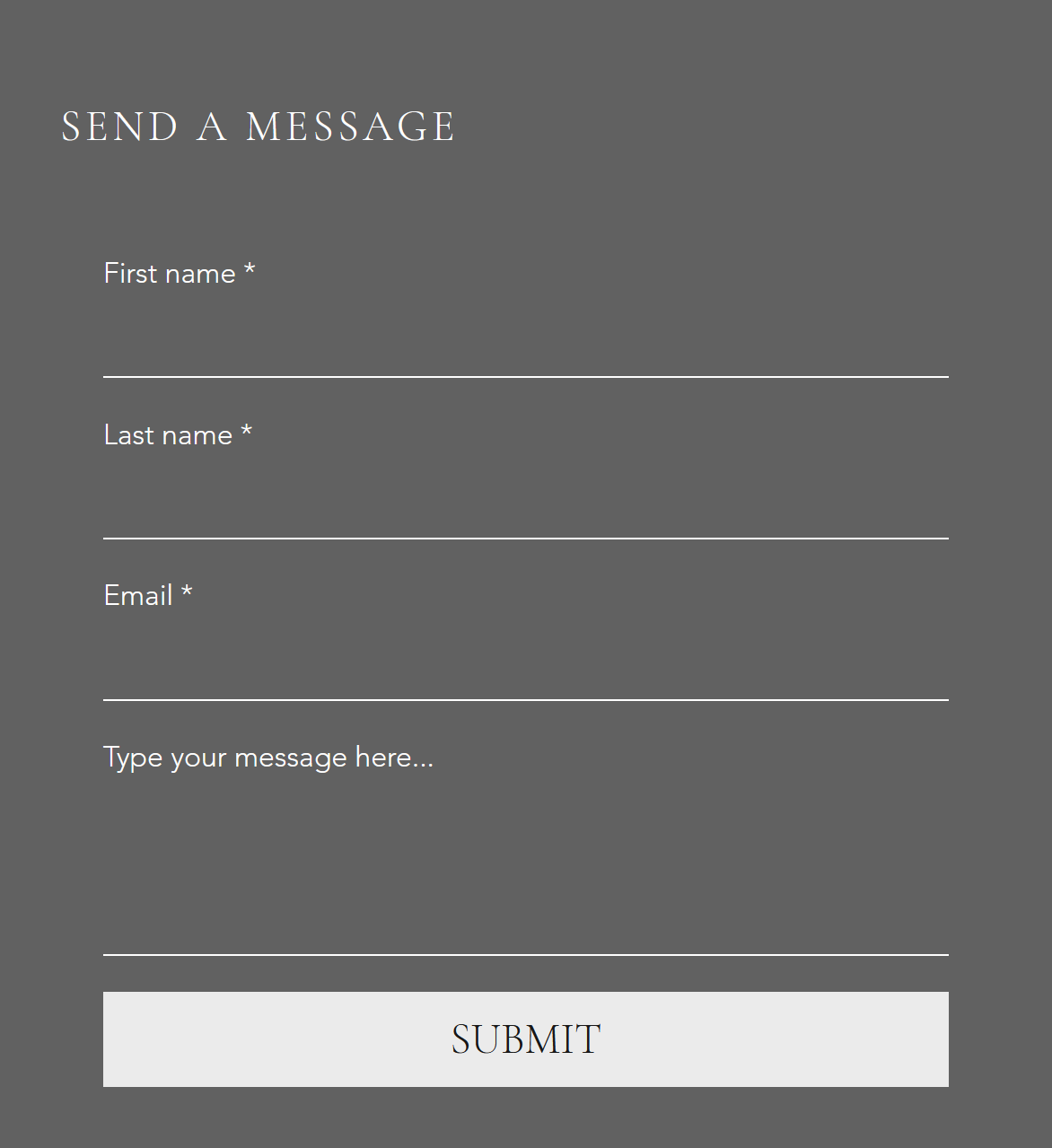
This sounds obvious, but it’s often overlooked. You should make it simple for someone to reach you.
That might include:
a contact form
email address
street address
clear instructions on how to enquire
If it’s hard to contact you, people won’t even try.
5. Blog (optional, but powerful)
You don’t need a blog to have a website. But if you want your website to be found on Google, blog posts make a huge difference.
A blog helps you:
answer questions people are already searching for
show your knowledge
bring new people to your website over time
It doesn’t happen instantly, but over time, blog posts can bring consistent traffic to your website.
What you don’t need
You don’t need lots of extra pages, complicated layouts or endless information. A small, clear website will always perform better than a large, confusing one. Because if your website doesn’t have the right structure, it becomes difficult for people to use, for Google to understand, and for your business to grow from it.
A website should guide someone from:
landing on your page → understanding what you do → feeling confident → getting in touch.
If your website feels unclear, overwhelming, or like it’s not really doing anything for your business, this is exactly the kind of thing I look at in my Full website audit.
The bottom line
Most small business websites don’t fail because they’re badly designed.
They fail because they’re not structured in a way that actually works.
If your website feels unclear, overwhelming, or like it’s not doing much for your business, it’s often down to this.
