
What is SEO? A simple guide for small businesses
If you’ve started looking into building a website for your business, you’ve probably come across the term SEO.
It appears frequently in conversations about websites, marketing and online visibility, yet many small business owners don’t know what it actually means or why it matters.
For small businesses trying to grow online, SEO can play an important role in helping potential customers discover their website.
Understanding the basics of SEO can make it much easier to improve your visibility in search engines and reach people who are actively looking for what you offer.
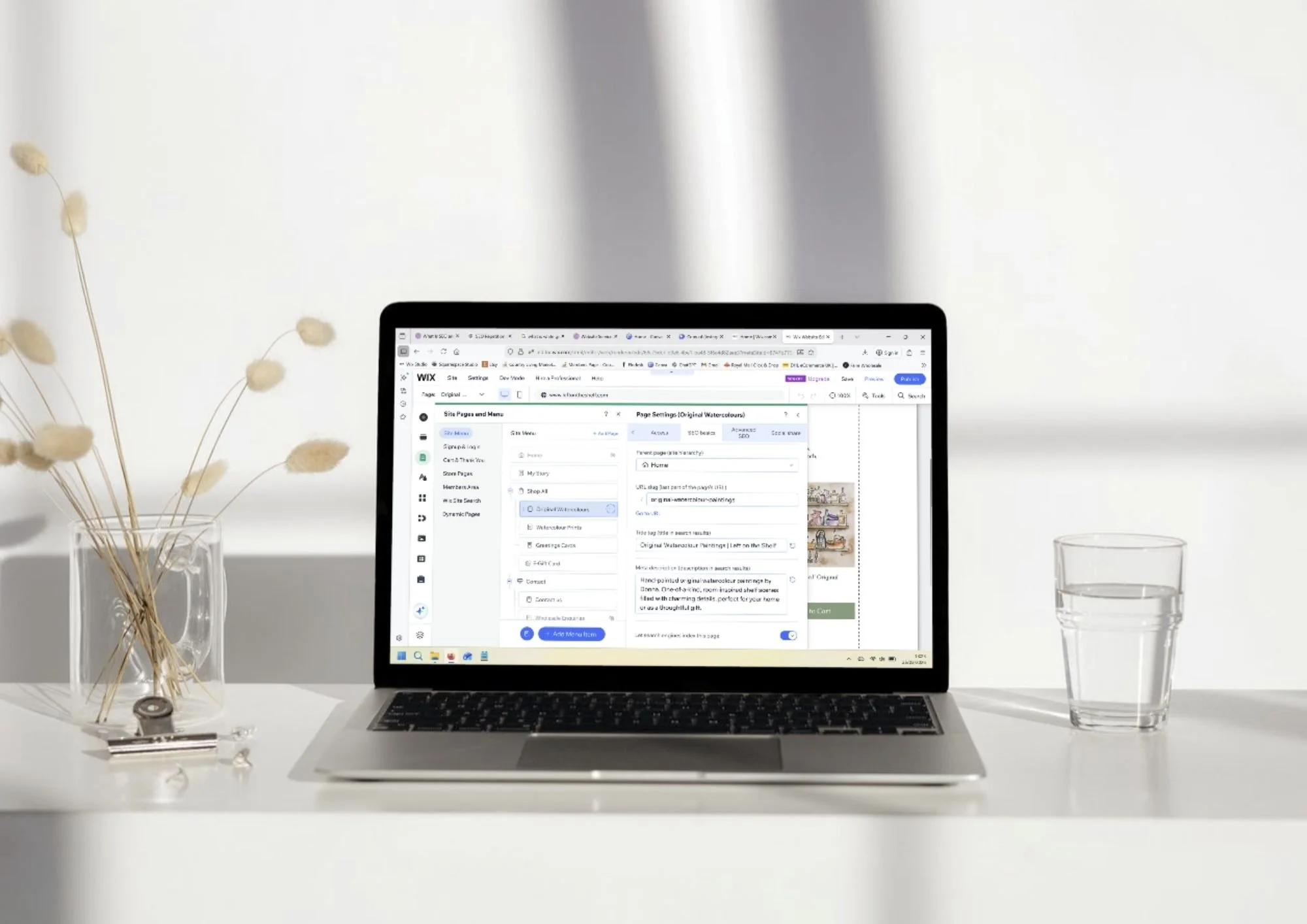
What Does SEO Stand For?
SEO stands for Search Engine Optimisation.
It refers to the process of improving different parts of a website so search engines can understand what the pages are about and when they should appear in search results.
Search engines analyse thousands of websites whenever someone performs a search. Their goal is to show the most helpful and relevant pages, so if your website is properly optimised for SEO, it has a better chance of appearing for the topics your business covers.
How Search Engines Understand a Website
Search engines use automated programs called crawlers or bots to scan websites across the internet.
These crawlers look at different elements of a page to understand what the content is about. Some of the things they analyse include:
page titles
headings and subheadings
written content
image descriptions
links between pages
page structure
All of these elements help search engines determine how relevant a page is for a particular search.
When a website is clearly structured and easy to read, it becomes much easier for search engines to understand.
Why SEO Matters for Small Businesses
Unlike large brands that already have a huge following, search engines are one of the most important ways customers discover small businesses online.
On social media, posts appear briefly in your feed, whereas content found through search can be evergreen, continuing to attract visitors long after they’re published.
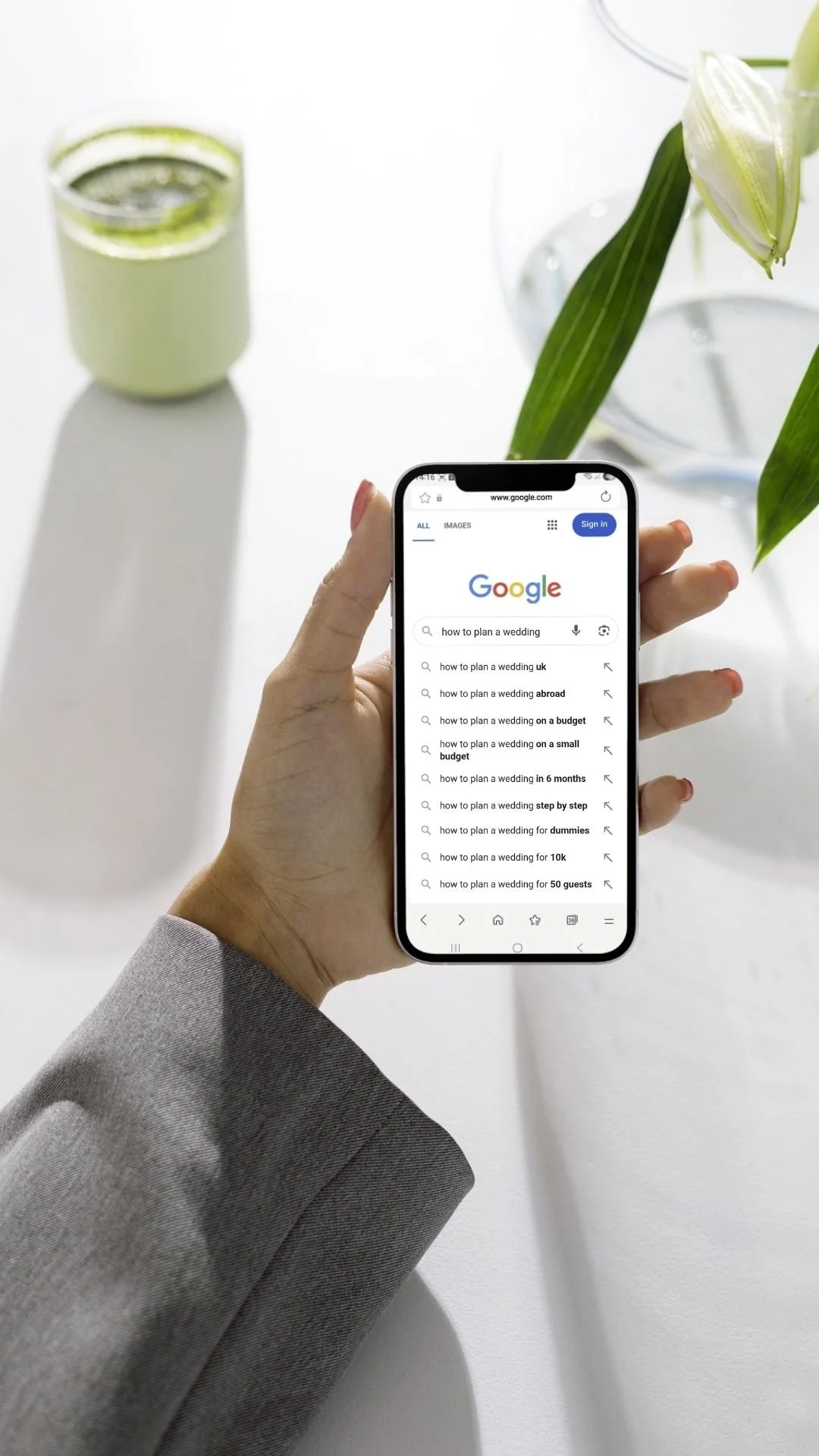
One of the most valuable aspects of search engine traffic is intent. For example, someone might search for:
wedding cakes for small weddings
how to plan a wedding
local accountant near me
handmade jewellery online
When people type these searches into Google, they are often already looking for the solution or service, so if your website answers these questions, it’s more likely to appear.
Without SEO, even a well-designed website may struggle to be found.
SEO Is More Than Just Keywords
Many people assume SEO simply means adding keywords to a page.
While keywords do help search engines understand the topic of a page, modern SEO involves much more than that.
Search engines also consider factors such as:
how clearly information is organised
how helpful the content is for readers
whether a website works well on mobile devices
how quickly pages load
how different pages link to each other
In other words, SEO is closely connected to creating a clear, useful and well-structured website.
Websites that are easy for visitors to navigate are also easier for search engines to understand.
Content Plays an Important Role in SEO
Content is one of the main ways search engines understand what your website is about.
Each page or blog post gives you the opportunity to focus on a specific topic, helping search engines connect your website to relevant searches.
This is why many businesses publish articles, guides or blog posts related to their industry, just like this one.
For example, a website might include content around topics such as:
how much does a wedding planner cost
do I need a website for my business
what is gold vermeil
By covering these topics clearly and in detail, your website builds a stronger overall presence in search.
SEO Takes Time to Build
It is important to understand that SEO is not an instant result.
Search engines need time to discover new pages, analyse their content and determine where they should appear in search results.
For new websites, it can take weeks or months before search engines fully recognise and index the content. Tools such as Google Search Console can help you track this progress, showing when your pages are indexed and what they are starting to appear for in search.
However, once a page begins appearing in search results, it can continue attracting visitors for a long time.
This is why many businesses focus on building helpful content and clear website structures over time.
The Role of Website Structure in SEO
The way a website is organised can have a significant impact on how easily search engines understand it.
Clear navigation, logical headings and well-written pages all help search engines interpret the purpose of the website.
For example, most business websites include pages such as:
Home
About
Services or Products
Contact
Additional pages, such as blog posts, can then provide more detailed information on topics people search for online.
This structure helps search engines connect different pages and understand how they relate to each other.
The Bottom Line
SEO helps search engines understand your website and show it to people searching for topics related to your business.
For small businesses, this can improve visibility, increase website traffic and make it easier for potential customers to discover what you offer.
While SEO does take time to build, a well-structured website combined with helpful content can continue attracting visitors long after it is published.
Frequently Asked Questions
Do small businesses really need SEO?
SEO can be extremely valuable for small businesses because it helps potential customers discover them through search engines.
Without some level of optimisation, even a well-designed website may struggle to appear in search results.
How long does SEO take to work?
SEO is usually a long-term process. It can take several weeks or months for search engines to discover and rank new content.
However, once a page begins appearing in search results, it can continue bringing visitors to a website for a long time.
Is SEO something small business owners can do themselves?
Some aspects of SEO can be implemented by business owners themselves, such as writing clear content and organising pages logically.
However, technical optimisation and a deeper search strategy can sometimes benefit from professional guidance.
Ready to Improve Your Website Visibility?
If you want your website to be structured clearly and designed to be found in search engines, professional website design and optimisation can make a significant difference.
You can explore my website design services to see how I help small businesses create websites that are built with both users and search engines in mind.
