
10 Mistakes That Make Small Business Websites Look Unprofessional
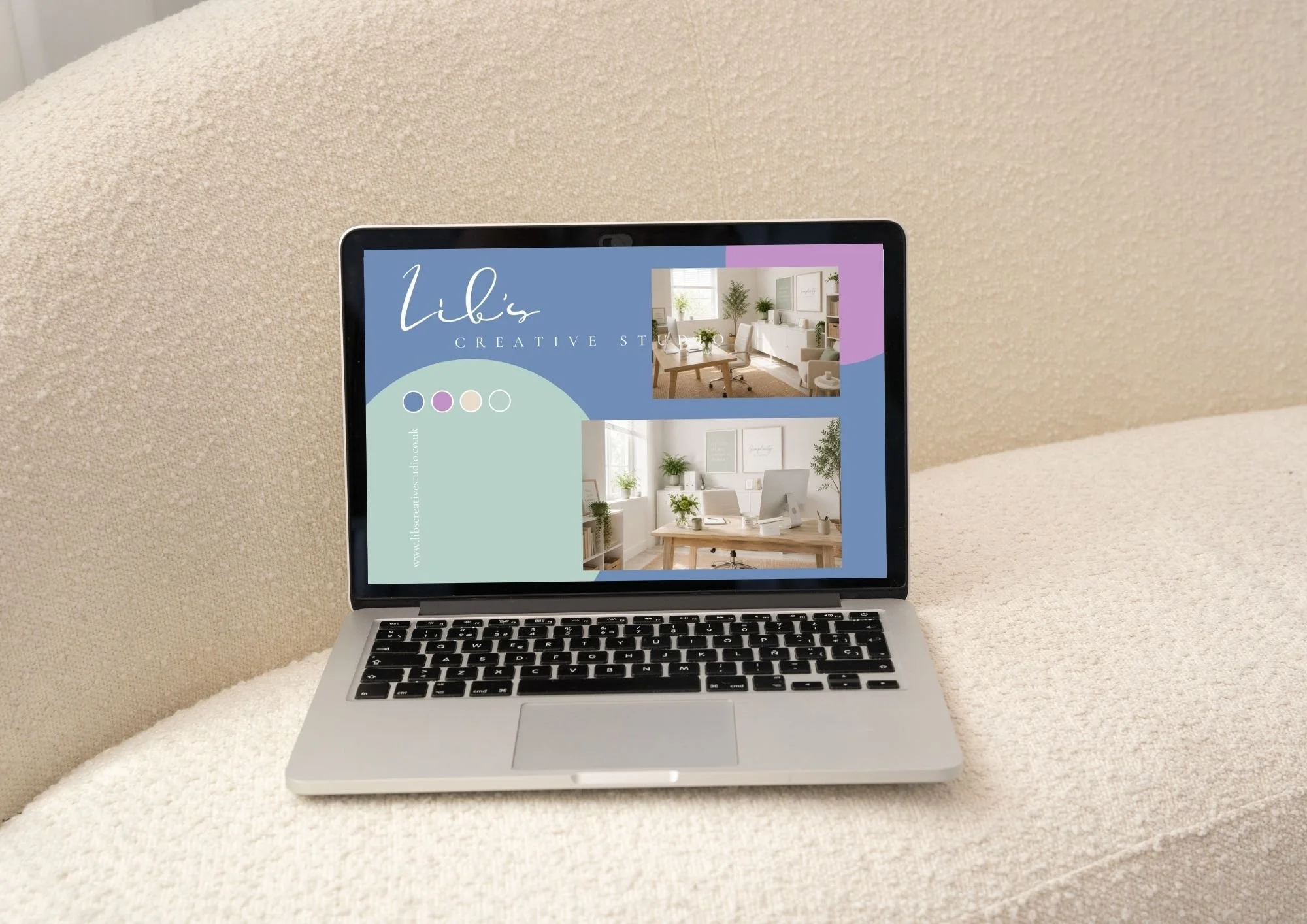
A professional looking website isn't about flashy animations or expensive features. In fact, some of the best small business websites are also the simplest.
Your website is often the first impression a potential customer has of your business. It’s your shop window. If it looks neglected, confusing or difficult to use, visitors will leave before they even find out what you offer.
The good news is that many of the most common mistakes are surprisingly easy to fix. Here are ten things that can make a small business website look less professional, and what you can do instead.
1. No clear call to action
Every page should help visitors understand what to do next.
Whether you want people to get in touch, request a quote, browse your products or book an appointment, make that next step obvious. A clear call to action helps guide visitors through your website instead of leaving them wondering where to click.
2. A website that doesn't work well on mobile
Most people now browse the internet on their phones, so a website that only looks good on a desktop computer can quickly put people off.
If text is difficult to read, buttons are too small, images don't display properly, or elements are overlapping, visitors are likely to leave and look elsewhere.
3. Out-of-date information
Nothing makes a business look neglected quite like outdated content.
Old opening hours, discontinued products, expired offers or events from months or even years ago can all make customers question whether your business is still active. Taking a few minutes to review your website every so often helps keep it looking fresh and trustworthy.
4. Poor quality images
Photography has a huge impact on how professional a website feels.
Dark, shadowy, blurry or stretched images can instantly lower the perceived quality of your business, even if your products or services are excellent. Clear, high quality photographs with natural light help build confidence and allow visitors to see your products and services at their best.
5. Slow loading pages
Visitors expect websites to load quickly.
Large image files, unnecessary animations and poorly optimised pages can all slow your website down. Even a delay of a few seconds may be enough for someone to leave before they've seen what you have to offer.
6. Too much text, or not enough
Finding the right balance is important.
Large blocks of text that give too much information can feel overwhelming, while pages with only a sentence or two often leave visitors with more questions than answers. Aim to write clearly, avoid unnecessary repetition, break up longer sections with headings and keep your content easy to read.
7. Inconsistent branding
Your website should feel like one complete business, not several different ones.
Using many different fonts, colours or styles across your pages can make your branding feel disjointed. Most businesses benefit from a small, consistent colour palette, supported by one or two complementary fonts and imagery used consistently throughout the website. This creates a cohesive brand that visitors recognise and remember.
8. Missing trust signals
People naturally look for reassurance before choosing a business.
Simple things such as testimonials, customer reviews, clear contact details, frequently asked questions and genuine photographs can all help visitors feel more confident about getting in touch or making a purchase.
9. Confusing navigation
If visitors can't quickly find the information they're looking for, they'll often leave.
A simple, well organised menu makes it easy for people to browse your website and find your services, products or contact information without frustration.
10. Ignoring basic SEO
Even the most beautiful website won't help your business if no one can find it.
Search engine optimisation (SEO) helps search engines understand your website and match it with people looking for what you offer. Simple improvements such as clear page titles, helpful content and well-structured headings can make a real difference over time.
Create a better website
Creating a professional website doesn't have to mean spending thousands of pounds or filling every page with complicated features.
Often, it's the small details that make the biggest difference. A clear layout, consistent branding, good-quality images and up-to-date information all help build trust and create a positive first impression.
If you're unsure whether your website is making the right impression, taking a fresh look through the eyes of a potential customer is a great place to start. You might be surprised how a few thoughtful improvements can make your website feel more polished, more professional and more effective at turning visitors into customers.
Alternatively, if you’d rather have an expert take a fresh look at your website, my Full Website Audit can help identify where improvements can be made to create a more polished, professional website..
